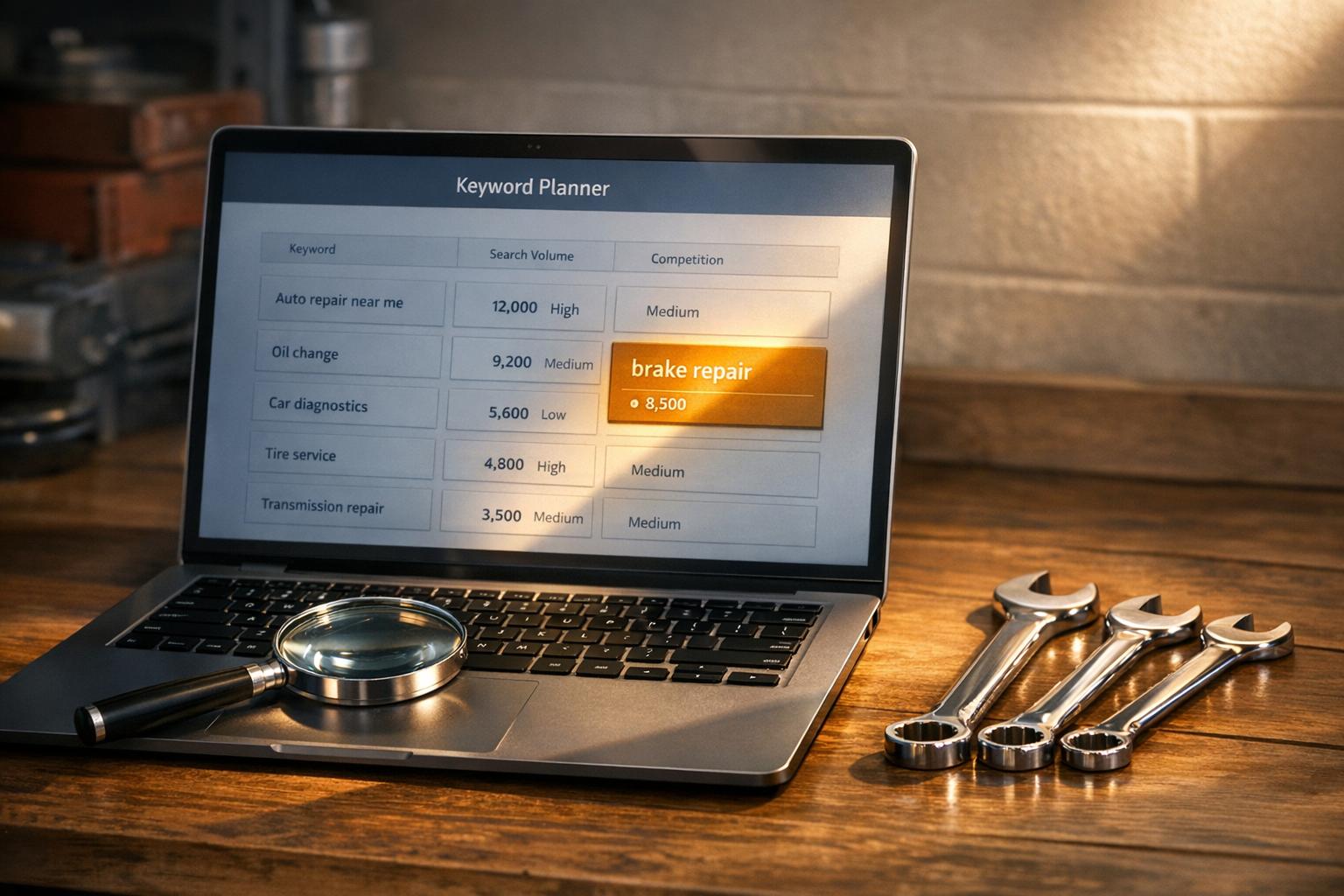
Boost Your Auto Repair Business with Smart Keyword Planning
Running an auto repair shop in today’s digital world means getting found by the right customers online. That’s where a strategic approach to SEO can make all the difference. By targeting specific search terms that potential clients are using, you can drive more traffic to your website and ultimately book more jobs. But how do you know which phrases to focus on? That’s the challenge many shop owners face.
Why Keywords Matter for Automotive Services
Think about how people search when their car breaks down. They’re typing things like ‘quick oil change near me’ or ‘affordable tire repair in [your city].’ These specific queries are gold for your business because they signal intent. Someone searching for these terms isn’t just browsing—they need a service, and they need it now. A tool designed for automotive marketing can help you uncover these hidden gems, ensuring your shop pops up when it matters most. Pair this with a strong local presence on Google Maps and reviews, and you’ve got a recipe for steady growth. So, take a moment to explore what your audience is searching for, and watch your online visibility soar.
FAQs
Why should I focus on long-tail keywords for my auto repair business?
Long-tail keywords, like ’emergency brake repair in Chicago,’ are more specific and often less competitive than broad terms like ‘auto repair.’ They tend to attract customers who are closer to making a decision, meaning they’re more likely to call or visit your shop. Plus, these phrases help you rank higher in local searches, especially if you’re targeting a specific area. It’s all about connecting with the right people at the right time!
How does the location input affect the keyword suggestions?
When you add a location, the tool tweaks some of the keyword ideas to include geo-specific terms, like ‘car maintenance in Chicago’ instead of just ‘car maintenance.’ This helps you target customers in your service area who are searching for nearby solutions. Even without a location, you’ll still get solid industry-specific suggestions, but adding that detail makes your results hyper-relevant to your local market.
Is the search volume data accurate in this tool?
The search volume and competition data are based on simulations of real-world keyword research tools like Google Keyword Planner. While it’s not live data, it’s designed to mimic realistic trends and give you a strong starting point. For pinpoint accuracy, you can always cross-check with a paid API or tool, but this planner offers a fantastic free way to brainstorm and prioritize keywords for your shop.